The product is more than the chassis
An open software baseline your technical owner can inspect.
The proposed appliance uses mainstream components, pinned and documented for the agreed workload. Open-source-first means inspectable and portable; it does not mean maintenance-free.
Select one primary runtime and one user path for the initial use case. Add complexity only after the baseline is measured and owned.
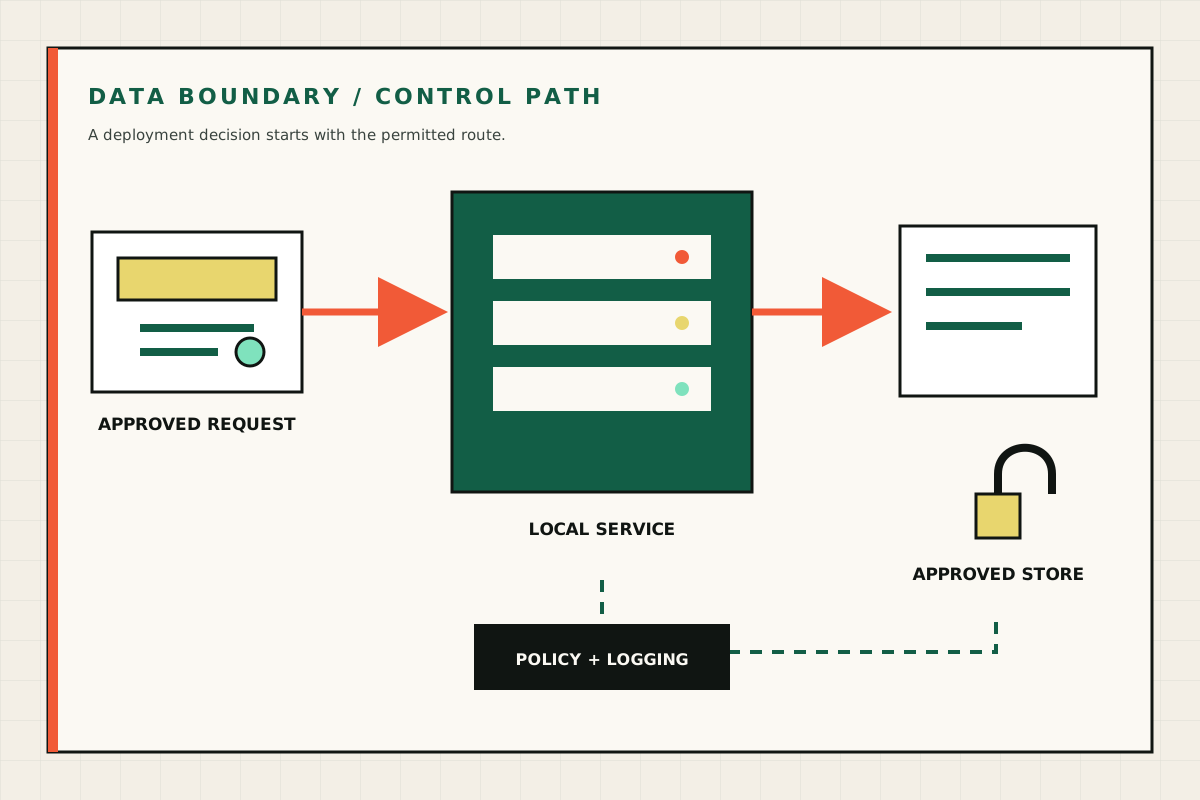
Operational ownership
The handover should make responsibility easier to see.
- 01 / Owner
- Name who controls updates, access, recovery and incidents.
- 02 / Record
- Make versions, tests and handover evidence visible.
- 03 / Exit
- Keep portability and supplier boundaries written down.

A deliberately small supported stack
Ubuntu LTS, a validated NVIDIA driver/CUDA pairing, Docker Engine and NVIDIA Container Toolkit form the base. Ollama, vLLM or llama.cpp is selected according to ease, throughput and model needs.
Open WebUI or a reviewed equivalent provides browser access. A vector database is added only when retrieval is in scope.
- Pinned versions
- Software bill of materials
- Model source and licence record
- Update and rollback note
Change record
A controlled change leaves an evidence trail
- Request Reason, owner and affected service.
- Test Focused acceptance and rollback plan.
- Approve Named person accepts the change.
- Record Version, date and result retained.
Look behind the claim at the operating record.
Management, recovery, evidence and physical serviceability make responsibilities easier to inspect at handover.
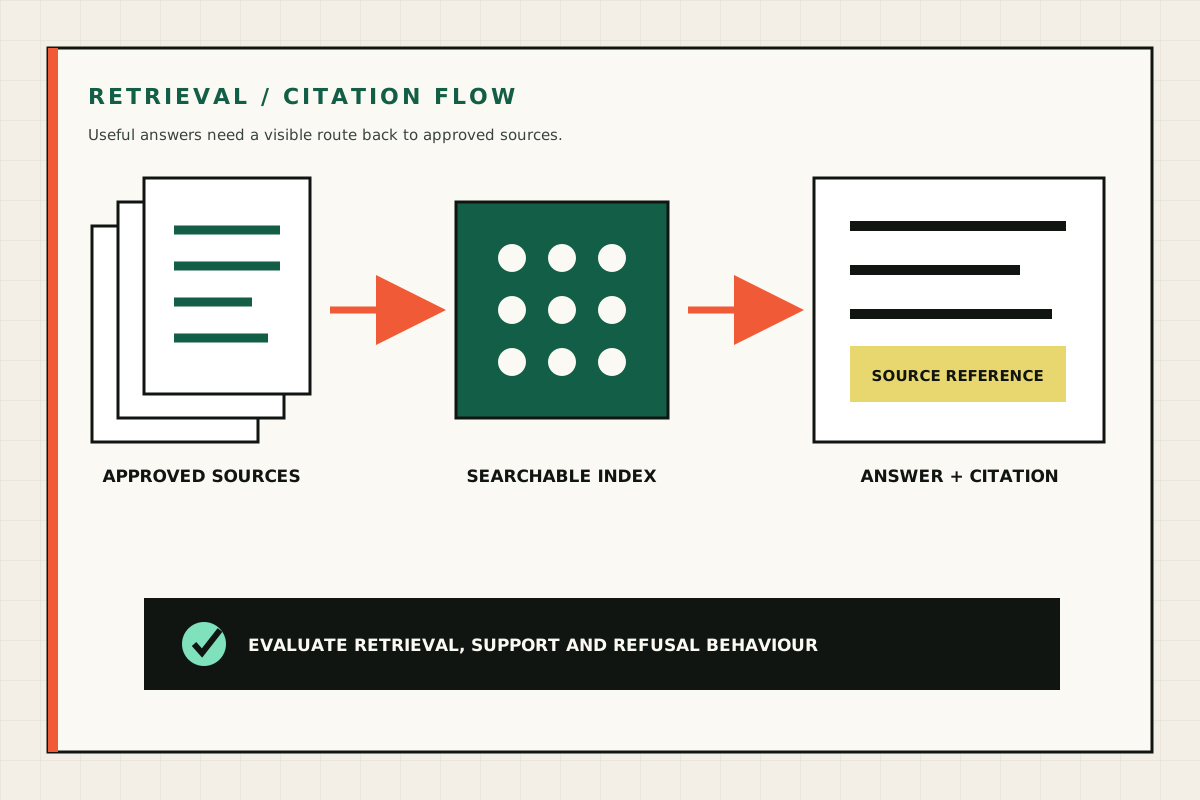
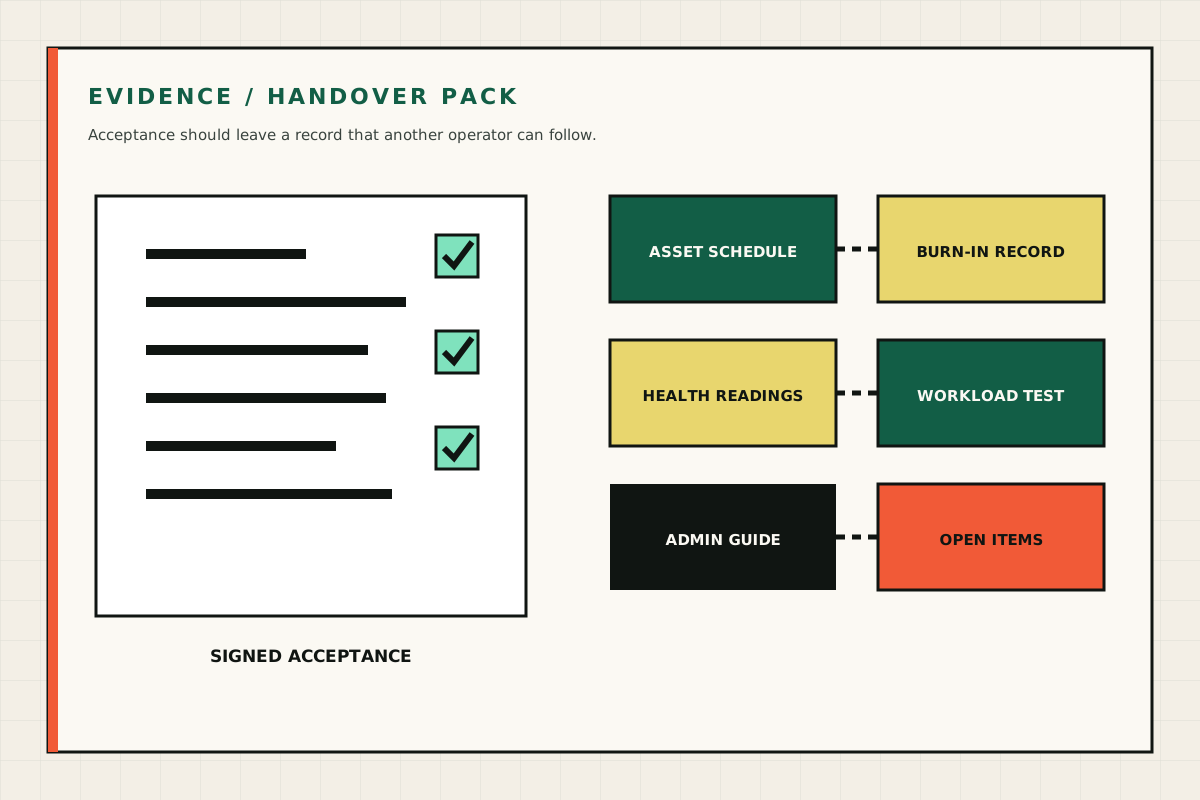
One route to production, not a showcase of logos
Installing every fashionable framework increases the attack surface and support burden. The order identifies the primary model server, interface, authentication route and monitoring profile.
Alternative runtimes can be tested as separate profiles without changing the accepted baseline.
Recovery boundary
Recovery spans equipment, configuration and business data
- Equipment Hardware fault and warranty route.
- System Build record, settings and secrets.
- Data Backup, retention and restore authority.
- Service Fallback, incident and return to use.
Models have licences and operating characteristics
Open weights do not always mean unrestricted commercial use. Model source, version, licence and intended use are recorded before handover.
Updates can change quality, memory and speed. A model change should trigger a focused evaluation rather than happen silently.
Exit path
Ownership should preserve a practical route out
The customer owns the environment
Administrative credentials and recovery materials are handed to the customer. Opace does not propose a hardware-bound proprietary licence for the baseline.
Optional support can advise on reviewed updates; it does not create an unbounded obligation to maintain every community component.
Questions answered
Straight answers to common questions
Do you install Ollama?
Ollama is one possible supported profile. vLLM or llama.cpp may be a better fit depending on model, throughput and operating needs.
Is Open WebUI included?
It is the proposed default browser interface or can be replaced by a reviewed equivalent agreed in the order.
Are the models included?
Only agreed models whose source, licence and fit have been reviewed. Commercial model/API fees are separate.
Continue the decision
Useful next steps
Put the claim to work
Turn this guidance into a testable requirement.
The brief asks about workload and operating conditions - not just budget.